
Whole Food Nutrition Explained
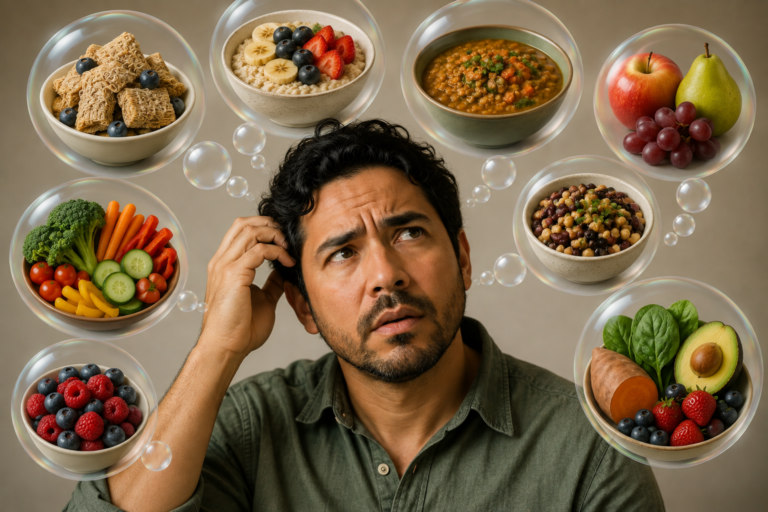
If you spend much time reading about nutrition, you eventually run into a strange problem: food starts disappearing. Instead of talking about an orange, we talk about vitamin C. Instead of beans, we talk about protein, iron, fiber, and folate. Instead of walnuts, we talk about omega-3 fatty acids. Before long, lunch sounds less like something you eat and more like the periodic table.
There is nothing wrong with understanding nutrients. They matter. But somewhere along the way, we started acting as though a food is simply a delivery system for the individual nutrients listed on its label. It isn’t.
An Apple Is More Than Its Vitamin List
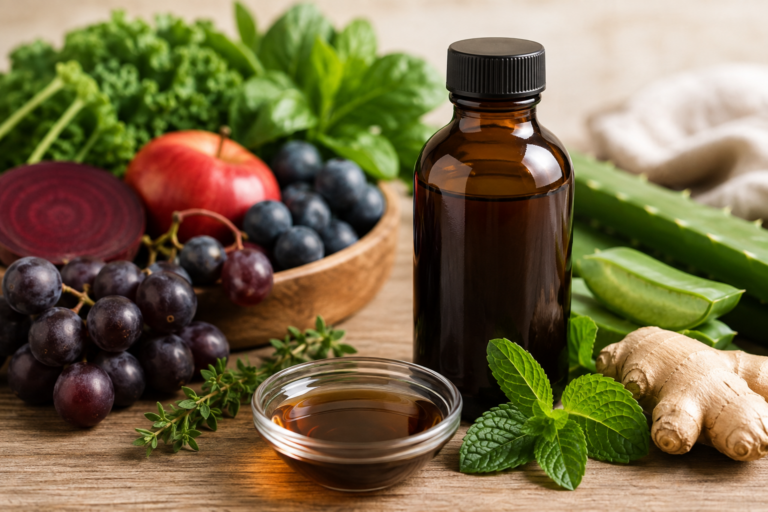
Whole foods contain nutrients packaged together with fiber, water, and a huge variety of naturally occurring plant compounds. Researchers are still studying many of these compounds, including how they interact with one another and with the nutrients we already understand. Think about an apple. When we eat it, we aren’t consuming isolated vitamin C, isolated potassium, and isolated fiber. We’re eating all of them together, along with everything else that makes an apple an apple.
That complicated package is one reason nutrition research can get complicated so quickly. Scientists need to isolate things so they can measure them. Vitamin C is much easier to study than “everything happening when someone eats an orange.” Our bodies, unfortunately for researchers everywhere, didn’t get the memo about keeping things simple.
So What Does “Whole Food” Actually Mean?
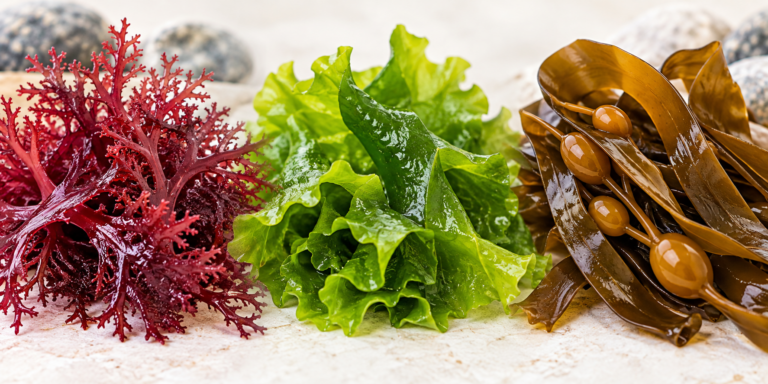
There isn’t one magical test that turns a food into a Whole Food with a capital W. Generally, we’re talking about foods that are close to the form in which they originally grew: vegetables, fruits, beans and other legumes, whole grains, nuts, and seeds. The basic idea is pretty simple. The less we’ve taken away from the original food (and the less we’ve added to it), the closer it is to being a whole food.
That doesn’t mean all processing is bad. Processing exists on a spectrum. Cutting up an apple is technically processing it. So is cooking a potato, freezing peas, or grinding oats. None of those things suddenly turns an otherwise nutritious food into a nutritional villain. The bigger issue is what happens as we move farther away from the original food. Highly processed foods may have fiber removed, nutrients stripped away, and substantial amounts of sugar, salt, oils, flavorings, or other ingredients added. Here’s my very unscientific kitchen test: Can you still tell what food you’re eating?
A bowl of oatmeal with blueberries? Pretty easy. A neon-colored something-or-other with 27 ingredients that promises to taste “berry blast”? We have wandered considerably farther from the blueberry bush.
Why Does the Whole Package Matter?
Plants contain more than the familiar vitamins and minerals we learned about in health class. They also provide dietary fiber and thousands of naturally occurring compounds broadly known as phytochemicals. You may have heard some of their names: carotenoids, flavonoids, lignans, phytosterols. Plants use these compounds for their own purposes. They contribute to things like color, flavor, smell, growth, and protection. We get them as part of the package when we eat the plant.
This is one reason “just take a vitamin” isn’t quite the nutritional equivalent of eating good food. A supplement can provide a particular nutrient. It doesn’t necessarily reproduce the complicated mixture of substances that came with that nutrient in the original food. You can’t put an entire broccoli plant into a vitamin C tablet. And yes, that is slightly funny coming from someone who has spent decades selling nutritional supplements. We’ll get to that.
Whole Food Doesn’t Mean Nutritionally Perfect
This is where nutrition discussions sometimes go off the rails. If whole foods are good, people assume supplements must therefore be bad. Or they decide that if they eat a good diet, every nutritional need will automatically take care of itself. Neither conclusion follows.
A whole-food eating pattern can provide an impressive range of nutrients, fiber, and phytochemicals. Research has associated eating patterns emphasizing whole plant foods with a variety of health benefits. But “whole food” isn’t a magic spell.
Depending on what someone eats, certain nutrients may still require attention. Researchers studying whole-food, plant-based diets specifically point to nutrients such as vitamin B12, vitamin D, calcium, iron, and omega-3 fatty acids as areas that may need thoughtful planning or supplementation. Age matters. Health conditions matter. Medications matter. How well we absorb nutrients matters. What foods we actually eat matters. A theoretically perfect diet doesn’t provide much nutrition if nobody is actually eating it.
Then Why Do I Sell Supplements?
Fair question.
Because I don’t believe supplements and whole foods are competitors. Food comes first. That has been my approach to nutrition for years, and it is one reason this website is called LiquidWholeFood rather than Carolyn’s Giant Warehouse of Random Pills.
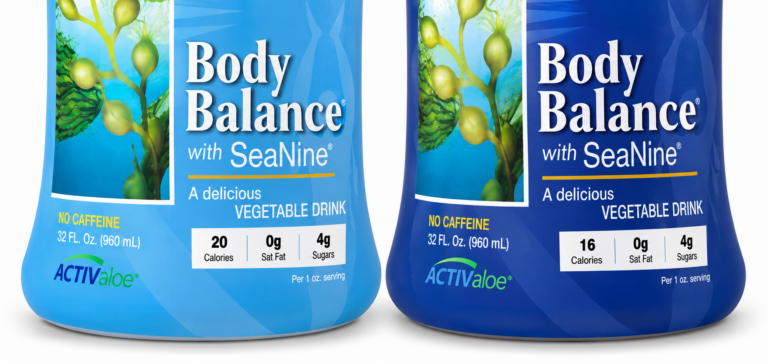
Supplements are exactly what the name says: supplemental. They can help provide nutrients that are difficult to obtain in adequate amounts, fill particular nutritional gaps, or complement an otherwise sound diet. That food-first philosophy is also why Body Balance is one of the foundational products I’ve carried for more than 20 years. What I don’t believe they should do is give us permission to ignore what is on our plates.Taking a handful of capsules in the morning doesn’t transform a day of doughnuts, french fries, and soda into excellent nutrition. (If only human biology were that convenient.)
You Also Don’t Have to Eat Perfectly
This may be my favorite part. Improving your diet does not require joining the Food Purity Police. One study of people with chronic health conditions used a program that encouraged participants to move toward a whole-food, plant-based way of eating. People were allowed to make changes gradually rather than being told they had to achieve dietary perfection immediately. The researchers found improvements in several health measurements, including systolic blood pressure, total cholesterol, LDL cholesterol, and BMI.
That matters because real people have jobs, families, budgets, favorite foods, holidays, restaurants, and the occasional day when dinner does not go according to plan. Nutrition has to work in real life. Eating more vegetables is better than waiting until you’re prepared to eat vegetables perfectly. Choosing beans instead of a highly processed meal sometimes is better than deciding you “can’t do it every time, so why bother?” Adding berries and walnuts to breakfast counts. Replacing potato chips with carrots and Ranch dressing one time per week counts. Mixing a small amount of frozen riced cauliflower into the jar of spaghetti sauce counts. Small choices have a funny habit of becoming habits.
Start With Food
If you want one idea to remember from all of this, make it simple: Build the foundation with food. Eat more vegetables and fruits. Eat beans. Try some intact whole grains. Have some nuts and seeds. Experiment with foods you’ve never tried. Gradually crowd some of the highly processed stuff off the plate by putting better things in its place. Then, when supplementation makes sense, use it for what it was intended to do: supplement that foundation.
Nutrition doesn’t have to be mysterious, and it certainly doesn’t have to become a second career. Start by eating recognizable food. Your body knows what to do with the rest.
References
- Nutrition Benefits and Considerations for Whole Foods Plant-Based Eating Patterns, American Journal of Lifestyle Medicine / National Library of Medicine
- Impact of a Whole-Foods, Plant-Based Nutrition Intervention on Patients Living with Chronic Disease in an Underserved Community, American Journal of Lifestyle Medicine / National Library of Medicine
- Why Whole-Food Nutrition Matters: A Conversation, Part 1, Northeast College of Health Sciences
- Supplements Versus the Real Thing, Purdue University Extension
Research and Health Information: Research references are provided for educational purposes. Citation of a study, author, journal, or research institution does not imply endorsement of LiquidWholeFood or any product sold or discussed on this site. The information provided in this article is for educational purposes only and is not intended as medical advice or as a substitute for advice from a qualified healthcare professional. It is not intended to diagnose, treat, cure, or prevent any disease.